
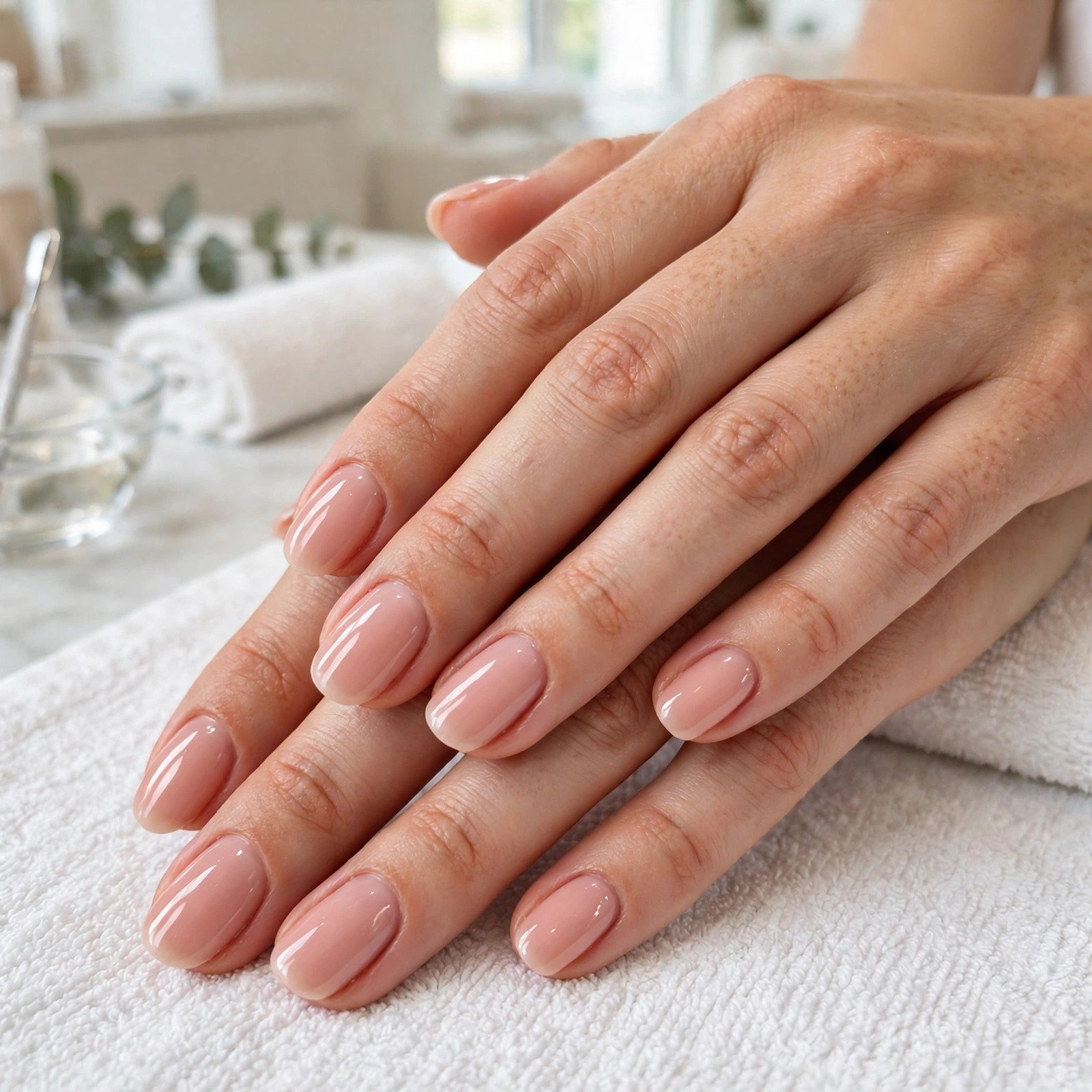
BIAB vs acrylic, builder gel vs acrylic nails, BIAB or acrylic — I have been asked this question more times than any other in the last year, usually by someone standing in a salon doorway trying to decide before their appointment starts. I understand the confusion, because on the surface they promise the same thing: longer, stronger, better-looking nails. I have worn both, extensively, and I have also written the separate guides — my BIAB nails explained and my acrylic longevity guide — so this comparison is not theory. It is the honest verdict from someone who has lived in both systems, removed both badly and well, and paid for both. The short answer, because I respect your time: BIAB is better for most people with natural nails who want strength and growth, and acrylic is better for dramatic length and sculpted shapes. But the long answer matters, because the wrong choice for your nails, your lifestyle, and your budget will cost you weeks of frustration. Here is my honest 2026 comparison.
In This Article
- What BIAB Actually Is (And Isn’t)
- What Acrylic Actually Is (And Isn’t)
- BIAB vs Acrylic: Durability and Length
- BIAB vs Acrylic: Look, Feel, and Finish
- BIAB vs Acrylic: Removal and Nail Health
- BIAB vs Acrylic: Cost and Maintenance
- My Verdict: Which Should You Choose?
- Mistakes to Avoid
- FAQ: BIAB vs Acrylic
What BIAB Actually Is (And Isn’t)
BIAB stands for Builder In A Bottle, and it is essentially a thick, soak-off builder gel that comes in a polish bottle, applied like gel polish but with far more structure. Your tech applies it over your natural nail — sometimes over a tip for a little extra length — cures it under a lamp, and builds up two or three layers to create a strong, flexible overlay. What BIAB is not, and this is the misconception I hear most, is an extension system in the acrylic sense. It can add a small amount of length, usually with a tip, but it is not designed to sculpt dramatic stilettos or extra-long coffins from scratch. Its real job is different: it protects your natural nail while it grows, acting like a hard shield that flexes slightly with the nail instead of sitting rigidly on top of it. That flexibility is why my nails grew longer under BIAB than under any other system — the overlay bent instead of snapping, and the natural nail underneath was protected from the daily knocks that usually break it. BIAB also soaks off with acetone, like gel polish, which makes removal gentler than acrylic’s filing-heavy process. What it cannot do is give you two inches of sculpted length in one appointment, and anyone who promises you that with BIAB alone is overselling it.

What Acrylic Actually Is (And Isn’t)
Acrylic is the veteran of the nail world: a liquid monomer mixed with a powder polymer, applied over a tip or a sculpting form, which hardens in the air into a rigid, durable extension. It is the system that built the modern nail industry, and it remains unmatched for one thing: creating any length, any shape, from nothing, and holding it. I have had acrylic stilettos that survived a holiday, a move, and a month of typing without a single break, which no gel system has ever matched for me. What acrylic is not, however, is gentle. The application involves more filing of the natural nail surface for adhesion, the product itself is rigid rather than flexible, and removal is a longer, filing-heavier process that, done badly, takes layers of natural nail with it. I learned this the hard way after a rushed removal left my nails paper-thin for months, which is exactly why I wrote my safe acrylic removal guide. Acrylic also has a stronger smell during application, which bothers some people, and it requires infills every two to three weeks as the natural nail grows out. It is a commitment, not a casual choice, and that commitment is worth it — but only if you actually want what acrylic uniquely offers.
BIAB vs Acrylic: Durability and Length
On durability, the answer depends on what you mean by durable. Acrylic wins on sheer toughness: it is harder, more rigid, and more resistant to breaking under force, which is why it is the default for very long nails and for people who are hard on their hands. My acrylic sets routinely lasted three weeks with only minor tip wear, and I have never had a BIAB set survive the same level of abuse — BIAB is strong, but it is designed to flex, and flexing has limits. On length, acrylic wins outright. It can build inches of extension in any shape, while BIAB realistically adds only a modest amount, and even then usually needs a tip to do it. But flip the question — which system keeps your nails intact longest — and BIAB wins. Because it flexes with the natural nail, it distributes stress instead of concentrating it, so the natural nail underneath breaks less. My BIAB sets lasted two to three weeks comfortably, and more importantly, my natural nails were longer and stronger after three months of BIAB than they had been after three months of acrylic. If you want dramatic length, acrylic is the only real answer. If you want your own nails to grow long and stay intact, BIAB is the better durability story, even if the overlay itself is not as hard.
BIAB vs Acrylic: Look, Feel, and Finish
Look and feel is where personal preference genuinely decides, because the two systems feel different on the hand. BIAB feels lighter and more natural — I often forgot I was wearing it, which I never did with acrylic. The finish is glossier and more gel-like, with a slightly softer, more rounded apex, and it takes colour beautifully, including the magnetic finishes I love in my dark red cat-eye guide. Acrylic feels more substantial, almost like a protective shell, and it can be sculpted into sharper, more architectural shapes — a true stiletto point, a crisp coffin edge — that BIAB simply cannot achieve with the same precision. Acrylic also holds 3D art, encapsulated designs, and extreme shapes better, because the rigid surface gives art something to sit on. If you love intricate nail art and dramatic shapes, acrylic’s canvas is bigger. If you love the look of healthy, glossy, natural nails that just happen to be longer and stronger, BIAB’s finish is more convincing. I have had strangers assume my BIAB nails were my natural nails, which has never happened with acrylic, and for some people that natural look is the entire point.
BIAB vs Acrylic: Removal and Nail Health
Removal is where I have the strongest opinion, because it is where most nail damage actually happens. BIAB soaks off with acetone, much like gel polish: the surface is filed lightly to break the seal, the nails soak, and the product lifts away with minimal filing of the natural nail. Done properly, my nails came out of BIAB removal looking almost untouched, which is why I could go straight into another set or wear them bare without a recovery period. Acrylic removal is longer and more filing-intensive: the bulk must be filed down before soaking, the soak takes longer, and there is more opportunity for a rushed tech — or a rushed home removal — to file into the natural nail. I have had good acrylic removals that left my nails fine, and bad ones that left them peeling for weeks, and the difference was always the patience of the person doing it, not the product itself. My honest assessment: BIAB is more forgiving of imperfect removal, while acrylic punishes impatience. If you are someone who picks at your nails, removes sets at home in a hurry, or has already-damaged nails, BIAB’s gentler removal is a meaningful safety advantage. If you go to a good tech and never rush removal, acrylic’s removal disadvantage shrinks considerably.
BIAB vs Acrylic: Cost and Maintenance
Cost varies by salon, but in my experience BIAB and acrylic sit in a similar range for a full set, with acrylic often slightly more expensive for long or sculpted sets because of the extra time and skill involved. Where they differ is maintenance rhythm. BIAB infills come every two to three weeks, similar to acrylic, but the infill process is quicker — less filing, less rebuilding — so appointments tend to be shorter and sometimes cheaper over time. Acrylic infills involve more filing and rebalancing of the structure, especially on long nails, which takes longer and can cost more per visit. Over six months, I found BIAB slightly cheaper overall, not because the product is cheaper, but because the appointments were shorter and I needed fewer repairs. Repairs are the hidden cost of acrylic: a broken acrylic extension is a salon visit, while a chipped BIAB overlay can often wait until the next infill. If budget matters, ask your salon for both prices including infills, not just the first set, because the first-set price is the least informative number in the whole comparison. And if you are comparing other systems too, my Gel-X vs acrylic comparison and my Gel-X vs dip powder comparison complete the picture for the other extension options.
My Verdict: Which Should You Choose?
Choose BIAB if: your natural nails are weak, peeling, or breaking; you want your own nails to grow longer; you prefer a natural look and feel; you are nervous about removal damage; or you want a lower-maintenance routine. Choose acrylic if: you want dramatic length or sculpted shapes; you are hard on your hands and need maximum toughness; you love intricate 3D art; or you have a specific shape in mind that only sculpting can create. Choose neither yet if: your nails are currently damaged and peeling — in that case, spend a month on my recovery plan first, because no extension system fixes damaged nails, it only covers them, and covering damage usually makes it worse. My personal pattern, after years of both, is BIAB most of the year for growth and health, with acrylic for specific occasions when I want dramatic length — a holiday, a wedding, a photoshoot. That hybrid approach gives me the best of both without committing my nails to either system’s downsides permanently. And if you are still torn, ask your tech this one question: “What would you recommend for my nails, not for the look I showed you?” A good tech’s answer, based on your actual nail condition, is worth more than any article, including this one.
Mistakes to Avoid
Mistake 1: Choosing acrylic for nail growth. Acrylic does not grow your nails; it replaces them with a harder shell. If growth is your goal, BIAB protects the natural nail while it grows, which is a completely different mechanism. I wasted a year expecting acrylic to grow my nails, and all it did was hide them.
Mistake 2: Expecting BIAB to give you dramatic length. BIAB adds modest length at best. If you walk in wanting two-inch stilettos and accept BIAB, you will leave disappointed and blame the product for a promise it never made.
Mistake 3: Rushing removal, especially acrylic. Most acrylic damage I have seen, including my own, came from rushed removal, not from wearing acrylic. Budget time for proper soaking and filing, or pay a tech to do it.
Mistake 4: Comparing first-set prices only. The real cost is infills, repairs, and removal over six months. Ask for the full picture before deciding on price.
Mistake 5: Ignoring your tech’s assessment of your nail condition. If your nails are thin and peeling, a good tech will steer you toward BIAB and recovery, not acrylic. Overriding that advice for a look is how damage happens.
Fino Tip: Before committing to either system, try one full cycle — application, two infills, and a proper removal — and judge by how your natural nails look after removal, not by how the set looked on day one. Day one always looks good; day forty tells the truth.
FAQ: BIAB vs Acrylic
Is BIAB better than acrylic for weak nails?
In my experience, yes. BIAB’s flexible overlay protects weak nails while they grow, and its gentler removal causes less damage. Acrylic’s rigidity and heavier removal process are harder on already-weak nails.
Can BIAB extend nails like acrylic?
Only modestly, usually with a tip. BIAB is not a sculpting system, so if you want significant length or dramatic shapes, acrylic is the better tool for that job.
Which lasts longer, BIAB or acrylic?
Acrylic lasts longer under hard use and holds extreme lengths better. BIAB lasts two to three weeks comfortably for most people, and its real longevity advantage is that your natural nails survive the cycle healthier.
Is BIAB the same as gel polish?
No. BIAB is a builder gel, much thicker and stronger than regular gel polish, and it provides structure that gel polish cannot. It is applied like gel polish and soaks off like it, but it is a different product with a different job.
Can I switch from acrylic to BIAB?
Yes, and it is a common path. Have the acrylic removed properly, give your nails a short recovery period if they need it, and then start BIAB. Many people, myself included, switch to BIAB specifically to recover and grow their natural nails after years of acrylic.
The bottom line: BIAB grows and protects your nails, acrylic builds and sculpts them. Neither is universally better — they are different tools for different jobs, and the right choice is the one that matches your nails, your lifestyle, and the look you actually want to live in.


