12 Winter Nail Colors for 2026: The Shades I’m Wearing All Season
Every winter I have the same argument with myself. The dark shades are calling — burgundy, oxblood, forest green — but then I see someone with milky white chrome nails and suddenly the dark palette feels heavy and I want light and frost instead. The truth I’ve landed on, after years of flip-flopping, is that winter isn’t one palette. It’s two: the pale, reflective family (milky white, pearl, glacier blue, silver chrome) and the deep, rich family (burgundy, plum, navy, emerald, chocolate). And the smartest winter manicure strategy isn’t picking one family — it’s knowing which shade belongs to December and which one belongs to January, because the two months want different things from your nails.
December wants festive: deep reds, glitter, chrome, anything that catches candlelight. January wants calm: milky whites, soft nudes, icy blues, the shades that look like fresh snow and don’t compete with your new-year energy. This article gives you twelve shades with my honest wear verdicts for each — what I actually wore, how long it lasted, which skin tones it flatters, and whether it belongs to the December half of winter or the January half. Winter nail colors and winter nail shades mean the same thing, and I’ll use both here; what matters is that every shade below is one I’ve tested on my own hands in real winter conditions, which means gloves, knitwear, dry air and all.
If you want the festive half of winter in more depth, my red Christmas nail ideas goes deep on the season’s anchor shade, and my winter nail inspo ideas covers looks that work past Christmas. This article is the colour guide: twelve shades, organised by family, with the December-versus-January split that makes the whole season easier to plan.
In This Article
- Jammy Red
- Milky White
- Deep Burgundy Wine
- Glacier Blue
- Emerald and Forest Green
- Midnight Navy
- Chocolate Brown
- Dusty Lavender
- Deep Plum
- Toasted Gold
- Icy Blue Chrome
- Pearl and Opal
- How to Build Your Winter Rotation
- Mistakes to Avoid with Winter Nail Colors
- FAQ
December vs January: The Split That Changes Everything
Before the twelve shades, here’s the planning insight that changed how I do winter nails. December and January are not the same season for your hands. December is party season: you’re reaching for glitter, deep reds, chrome, anything that looks good in photos and under fairy lights. Your nails are on display constantly, and you don’t mind a high-maintenance shade because you’re seeing people every day. January is recovery season: the parties are over, the light is grey, you’re wearing the same three jumpers on rotation, and you want a shade that looks clean and intentional without demanding attention. The shades that win in December — jammy red, toasted gold, emerald — can feel too loud in January. The shades that win in January — milky white, dusty lavender, pearl — would have felt washed out at a Christmas party.
So I’ve marked each shade below with its season: December, January, or both. The “both” shades are the workhorses — burgundy, plum, navy, chocolate — the deep neutrals that carry you across the whole season without a second thought. If you only buy four polishes this winter, buy the four “both” shades. If you love the ritual of changing your nails with the calendar, the December and January shades are your rotation.
01. Jammy Red
Jammy red is winter’s ultimate neutral, and I don’t say that lightly — a celebrity nail artist called it exactly that this season, and she was right. It’s a deep, slightly blue-toned red that sits between cherry and burgundy: richer than a bright red, brighter than a wine, and flattering on almost every skin tone I’ve seen it on. I wore jammy red through the whole of December last year, and it was the shade that got the most “what colour is that?” questions, because it doesn’t look like any single thing — it’s red, but it’s deeper, moodier, more expensive-looking than the red you picture. On cool undertones it reads as a true deep red; on warm undertones it pulls slightly toward brick, which is still beautiful. The practical case for jammy red is strong too: dark shades hide small chips better than light ones, so a jammy red manicure looks good for a full week even if you’re hard on your hands.
Best for: everyone, but especially anyone who wants one red for the whole winter. December and January. Wear time 7–10 days in gel. DIY difficulty: easy.
02. Milky White
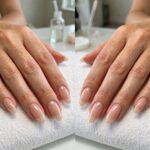
Milky white is the January manicure — clean, soft, lit-from-within, the colour of the first snow before anyone walks on it. It’s not a stark white, which can look harsh and clinical; it’s a sheer, milky wash that lets a little of the natural nail show through, so it reads as clean skin rather than paint. I wore milky white for the first two weeks of January this year, after a month of dark reds, and the change felt like opening a window — my hands looked rested, quiet, and impossibly neat. The catch is application: milky white shows every streak, because the sheer formula doesn’t hide brush marks the way an opaque shade does. Use thin coats — three thin ones, not two thick ones — and a ridge-filling base coat, or the streaks will show. And keep it away from dark denim and new leather gloves for the first day, because milky white picks up dye transfer faster than any other shade on this list.
Best for: January, short nails, and minimalists. Wear time 5–7 days. DIY difficulty: medium — the streaks are the challenge.
03. Deep Burgundy Wine
Burgundy wine is the shade I reach for when I can’t decide, and that’s the highest praise I can give a nail colour. It’s rich and classic, appropriate everywhere from the office to a formal dinner, and it flatters almost every skin tone — cool undertones get the wine depth, warm undertones get a slightly brown richness, and both look expensive. I wore burgundy on a medium almond shape through the entire month of December and into January without once feeling like it was the wrong shade for the day, which I can’t say about any other colour on this list. The one thing to know: burgundy stains. A good base coat prevents most of it, but if you wear burgundy back-to-back for three weeks, you’ll see a faint pink shadow when you remove it. It’s temporary, it grows out, and it’s worth it — but use the base coat anyway. If you want the full burgundy story, my patent oxblood nails article covers the wet-shine version of this family.
Best for: everyone, all winter, every occasion. December and January. Wear time 7–10 days in gel. DIY difficulty: easy — the darkness hides application mistakes.
04. Glacier Blue
Glacier blue is the frost on the window — pale, icy, slightly translucent, and the most modern shade on this list. It’s the colour that makes your hands look like they belong in a snow globe, and it’s the shade I wear when I want to feel like winter instead of just surviving it. On cool undertones it’s luminous; on warm undertones it can look slightly stark, so if you’re warm-toned, pair it with a chrome finish (see number eleven) instead of wearing it flat — the chrome warms it up and makes it wearable. Glacier blue works best in a chrome or glossy finish, because a matte glacier blue can look chalky, and chalky is never the goal. I wore it on short oval nails in January, and the combination of the pale shade and the short shape made my hands look longer and neater than they are, which is a trick I’ll be using again.
Best for: cool undertones, January, and short nails. Wear time 5–7 days. DIY difficulty: easy in gloss, medium in chrome.
Fino Tip: Pale shades like glacier blue and milky white show regrowth faster than dark shades, because the contrast between the pale polish and the bare nail is high. If you’re growing out a manicure, choose a dark shade instead — or plan your pale manicure for the week you know you’ll have time for a redo.
05. Emerald and Forest Green
Emerald green is the festive shade for people who are tired of red, and forest green is its moodier, more wearable sibling. I wore emerald in a velvet cat-eye finish to a Christmas dinner last year — the magnetic shimmer in deep green looks like looking into a forest at dusk — and it was the manicure that made me realise green deserves more than the one week a year we give it. Forest green, without the shimmer, is the more practical choice: it’s elegant, it pairs with gold jewellery beautifully, and it reads as sophisticated rather than themed, which means it works in January too. On warm and deep skin tones, emerald is especially stunning, because the green picks up the warmth in the hand. On very pale skin, forest green can look severe if the nails are too long — keep it medium length and almond, and it stays elegant. My green Christmas nail ideas article goes deeper on the festive green family if this shade hooks you.
Best for: warm and deep skin tones, December (emerald) and all winter (forest green). Wear time 7–10 days. DIY difficulty: easy in gloss, medium in velvet cat-eye.
06. Midnight Navy
Midnight navy is the shade I recommend to everyone who says “I can’t wear dark nails, they make my hands look old” — because navy doesn’t. It’s dark, but it’s blue-dark, not black-dark, and the blue undertone makes it read as modern and calm instead of severe. I wore midnight navy on a short square shape through January, and it was the manicure that made my hands look most put-together with the least effort: it goes with every coat I own, it hides chips, it hides regrowth, and it looks intentional even on day eight when every other shade is starting to look tired. Navy is also the most versatile dark shade for nail art — silver details, gold foil, a single snowflake accent, all of it works on navy, because the dark base makes the art pop without competing with it. If you only buy one dark winter shade and you don’t want red, buy navy.
Best for: everyone, all winter, especially short nails and nail art bases. December and January. Wear time 7–10 days. DIY difficulty: easy.

07. Chocolate Brown
Chocolate brown is the warm hug of this list — rich, cosy, and the shade that pairs best with the knitwear and leather that dominate a winter wardrobe. I wore a deep chocolate in a matte finish through November and into December, and it was the manicure that felt most like the season itself: warm, grounding, and quietly luxurious. On warm and olive undertones, chocolate is the most flattering shade on this list, because the warmth in the polish harmonises with the warmth in the skin. On cool undertones it can pull slightly orange, so if you’re cool-toned, choose a chocolate with a red or plum undertone instead of a yellow one — the difference is subtle on the bottle and obvious on the nail. Chocolate is also the best shade for hiding wear: chips barely show, regrowth is invisible, and the colour looks good even on day ten. My chocolate cat-eye nail ideas article covers the magnetic version of this shade if you want the shimmer too.
Best for: warm and olive undertones, all winter, and anyone who wants the lowest-maintenance dark shade. December and January. Wear time 7–10 days. DIY difficulty: easy.
08. Dusty Lavender
Dusty lavender is the surprise of this winter — the shade I didn’t expect to love and now can’t stop wearing. It’s a muted, ashen purple, cooler than lilac and softer than plum, and it brings a Y2K softness to winter nails that the dark shades don’t have. I wore dusty lavender in January, after the holiday glitter had faded, and it was the perfect palate cleanser: light enough to feel fresh, coloured enough to feel intentional, and unusual enough that people asked about it. The expert consensus this season is that ashen lavender is going to surprise people, and I agree — it’s the shade that looks best on the widest range of skin tones on this list, because the muted tone doesn’t fight with anyone’s undertone. The one caveat: dusty lavender needs two or three coats for full opacity, because the muted pigment is naturally sheer, and thin coats can look patchy. Be patient with the layers and it’s worth it.
Best for: January, all skin tones, and anyone who wants a soft colour after a month of dark shades. Wear time 5–7 days. DIY difficulty: medium — the coats need patience.
09. Deep Plum
Deep plum is the shade that bridges the two families of this list — dark enough to belong with the burgundies and navies, purple enough to feel like a colour choice rather than a neutral. I wore deep plum through the whole of December last year, and it was the shade that transitioned most gracefully into January, because it reads as festive in December and as calm in January. On cool undertones, plum is luminous; on warm undertones, choose a warmer aubergine plum instead of a cool one. The plum family is having a real moment this winter — my plum cat-eye nail art ideas covers the magnetic version in twelve different techniques — and the flat, glossy plum in this article is the simplest way to wear the trend.
Best for: everyone, all winter, especially the December-to-January transition. December and January. Wear time 7–10 days. DIY difficulty: easy.
Fino Tip: When you’re choosing between two similar dark shades — burgundy vs plum, navy vs forest green — hold both bottles against your hand in daylight, not under shop lights. The one that makes your skin look healthier and brighter is your shade. The other one will make your hands look tired, and you’ll never know why until you compare them side by side.
10. Toasted Gold
Toasted gold is the metallic that isn’t trying too hard — warmer than silver, softer than yellow gold, and the shade that makes every other colour on this list look more expensive when you pair it with them. I wore toasted gold as a full manicure exactly once, to a New Year’s Eve party, and it was glorious for one night and too much for every day after — which is the honest truth about metallics. Where toasted gold really earns its place is as an accent: one gold nail in a set of burgundy, gold tips on a navy base, a thin gold line across a milky white nail. That restraint is what makes it look expensive instead of gaudy. If you do wear it full-set, keep the nails short and the finish slightly brushed rather than mirror-shiny, because a full mirror gold on long nails is a lot of shine to carry. Toasted gold is a December shade, firmly — by January, the metallics feel like last month’s party, and you’ll be reaching for the milky white instead.
Best for: December parties, accent nails, and pairing with burgundy, navy or emerald. December. Wear time 5–7 days (metallics chip faster at the tips). DIY difficulty: easy as an accent, medium as a full set.
11. Icy Blue Chrome
Icy blue chrome is glacier blue’s louder, more glamorous sibling — the same pale blue base, but rubbed with chrome powder until it looks frosted, like the surface of a frozen lake. I wore it in January, and it was the manicure that made winter feel like a choice instead of a sentence: light, reflective, and genuinely beautiful in the grey January light, where most colours go flat. The chrome finish is what makes it work on warm undertones too — the metallic sheen warms the blue up and stops it from looking stark. The practical note is the same as for all chrome: the prep has to be perfect, because chrome shows every ridge, and the powder needs a no-wipe top coat underneath to grip properly. If you’re doing it at home, use a silicone applicator, not your finger, and use less powder than you think you need. My silver chrome nail ideas article covers the chrome technique in detail if this finish is new to you.
Best for: January, parties, and anyone who wants a pale shade with impact. Wear time 2–3 weeks in gel. DIY difficulty: hard at home — book it unless you already own chrome powder.
12. Pearl and Opal
Pearl and opal is the most luminous shade on this list — a soft white with an iridescent shift, like the inside of a shell, that changes colour as you move your hand. I wore pearl in a glazed finish (the “glazed donut” look, a sheer white base with a chrome powder rubbed over it) for the last week of January, and it was the manicure that made my hands look like they belonged in a magazine: clean, glowing, and impossibly polished. Pearl is the shade for the person who wants milky white but finds it too plain — the opal shift gives it dimension without adding colour, and it works on every skin tone because it’s essentially a light effect rather than a pigment. The catch is the same as for milky white: it shows streaks, it picks up dye transfer from dark denim and new leather, and it needs three thin coats. But if you’re willing to be careful for the first day, pearl is the most beautiful pale shade you can wear in winter.
Best for: January, weddings and formal events, and anyone who loves milky white but wants more dimension. Wear time 5–7 days. DIY difficulty: medium — the streaks and the dye transfer are the challenges.
How to Build Your Winter Rotation
If you change your nails every two weeks, here’s the rotation I’d actually follow, based on wearing all twelve of these shades. Early December: jammy red or emerald, because the party season is starting and you want impact. Mid-December: toasted gold accents or deep plum, because you’re in the thick of it and you want something that works with every outfit. Christmas week: burgundy or red velvet cat-eye, because it’s the main event and your nails should feel like it. New Year’s Eve: icy blue chrome or ruby cat-eye, because it’s the one night you can be as reflective as you want. Early January: milky white or pearl, because the parties are over and your hands deserve the calm. Late January: dusty lavender or glacier blue, because you’re ready for colour again, just not the dark kind. And through the whole season, whenever you can’t decide: burgundy, navy, chocolate or plum — the four workhorses that never let you down.
One more practical note on the rotation: dark shades hide chips and regrowth, pale shades show them. So schedule your pale manicures for the weeks you know you’ll have time for a redo, and your dark manicures for the weeks you won’t. It’s a small piece of planning that makes the whole season easier, and it’s the reason my January milky white always goes on the week I’m working from home.
Mistakes to Avoid with Winter Nail Colors
Choosing your shade under shop lights. Fluorescent lighting makes every shade look cooler and brighter than it is. The plum that looked royal in the shop can look muddy brown in daylight. Test one nail in daylight before committing, or at least hold the bottle near a window.
Wearing pale shades without a ridge-filling base coat. Milky white, pearl and glacier blue show every ridge and every brush streak. A ridge-filling base coat is ninety seconds of work that makes the difference between a salon look and a home look — and with pale shades, there’s nowhere to hide.
Forgetting that dark shades stain. Burgundy, plum, oxblood and jammy red all leave a faint pink shadow on the nail plate if you skip base coat. Always base coat, even when you’re in a hurry. Especially when you’re in a hurry.
Ignoring your gloves. Winter is glove season, and tight gloves are the enemy of a fresh manicure — they press on the polish before it’s fully hardened and leave dents. Give your nails a full hour to harden before putting gloves on, or wear loose mittens for the first day. And keep your cuticle oil in your coat pocket, because dry winter air is what turns a good manicure into a ragged one by day five.
Picking a December shade for January. Toasted gold and emerald are beautiful in December and feel like last month’s party in January. Respect the split — the calendar matters more than the trend, and the right shade at the right time is what makes a manicure feel intentional.
FAQ
What are the most popular winter nail colors for 2026? The two families leading this winter are pale and reflective — milky white, pearl, glacier blue, silver chrome — and deep and rich — burgundy, plum, navy, emerald, chocolate. The expert consensus points to jammy red as the season’s most versatile shade, dusty lavender as the surprise hit, and chocolate cherry as the best transitional colour from fall to winter. Silver chrome has largely replaced glitter as the festive finish of choice.
What nail color should I wear in January? After weeks of glitter and deep reds, January manicures usually calm down. The best January shades are milky white, soft nude, icy blue, pale lavender, dusty lavender, pearl, or a deep navy. Dark shades like burgundy and plum also work in January, because they’re calm and dark rather than festive — the shades to retire in January are the glittery, metallic party shades like toasted gold.
Do dark nail colors make nails look shorter? Dark shades can make nails look shorter if the shape is wrong, but the effect is easy to manage. On short nails, choose an almond or oval shape instead of square — the rounded tip elongates the nail bed visually. And keep the polish slightly away from the sidewalls, leaving a hairline of bare nail on each side, which makes the nail look longer and narrower.
Which winter nail colors suit warm skin tones? Chocolate brown, emerald green, toasted gold, jammy red and warm aubergine plum are the most flattering winter shades for warm undertones. Avoid the coolest pale shades worn flat — glacier blue and milky white can look stark on warm skin unless you add a chrome finish, which warms them up. If you’re unsure, chocolate brown is the safest warm-undertone winter shade on this list.
How do I stop my winter manicure from chipping? Three things matter most: cap the free edge by running polish over the tip of the nail, refresh the top coat on day three, and wear gloves for washing up and cleaning. Winter’s dry air also makes polish more brittle, so cuticle oil twice a day isn’t a luxury — it’s what keeps the polish flexible enough to survive the season.
Can I wear red nails all winter, or is red just for Christmas? Red works all winter — the trick is changing the red. Bright cherry red is December; jammy red and burgundy wine carry you through January and February because they’re deeper and moodier. A dark red in January reads as a winter neutral, not a leftover Christmas manicure, especially on a short almond shape.