
In This Article
- What a Hangnail Actually Is (It Is Not Your Nail)
- Why I Keep Getting Hangnails: The 8 Causes That Matter
- How to Get Rid of a Hangnail Safely, Step by Step
- The Two-Track Fix: Chronic Hangnails vs the Winter Spike
- Hangnails and Manicures: What to Wear While They Heal
- My 2–4 Week Hangnail Recovery Plan
- Mistakes to Avoid With Hangnails
- FAQ
I got my first hangnail when I was seven years old, pulling at the skin beside my thumbnail during a boring maths lesson, and I have been getting them ever since — usually in winter, usually on the same two fingers, and usually at the exact moment I need my hands to look good. Why do I keep getting hangnails, why do my hangnails keep coming back, how do I stop hangnails for good — I have searched all of those phrases, and I have tried every answer, and this article is the honest version of what actually worked for me, including the parts the clinical articles skip: the habit loop, the recovery timeline, and what to do with your manicure while a hangnail heals.
The first thing to know is that a hangnail is not your nail at all. It is a small piece of cuticle — the thin skin along the edge of your nail — that has dried out, become brittle, and separated from the surrounding skin, so it sticks up like a tiny flap. That matters, because it means the fix is not about your nails, it is about the skin around them, and the skin around them is the most neglected part of my hands. I moisturise my face twice a day and my cuticles approximately never, and then I am surprised when they tear. This article is my attempt to fix that, properly, and to give you the plan I wish I had followed years ago.
What a Hangnail Actually Is (It Is Not Your Nail)
A hangnail is a small segment of cuticle that has detached and hangs off the side of the nail — the name is a misnomer, because it is skin, not nail, and understanding that changes how you treat it. The cuticle is the thin seal between your nail plate and the skin of your finger, and its job is to keep bacteria out. When the cuticle dries out, it becomes brittle, and the brittle edge lifts and tears, creating a hangnail. The reason hangnails hurt so much more than they should is that the skin around your nails is packed with nerve endings and blood vessels, so a tiny tear feels like a major injury, and the reason they get infected so easily is that the tear breaks the seal that was keeping bacteria out.
The other thing to know is that a hangnail is almost always a sign of something else, not a random event. It is a byproduct of everyday stresses adding up — dry air, frequent handwashing, harsh soaps, picking, cold weather — and when you get them constantly, something in your daily routine is stripping moisture from your hands faster than your skin can replace it. That is actually good news, because it means hangnails are fixable, and the fix is not a product, it is a routine. I will get to the routine below, but first, the causes, because you cannot fix what you have not identified.
Why I Keep Getting Hangnails: The 8 Causes That Matter
Dry skin is the root cause of almost every hangnail, and it is the one I ignored longest. When the skin around your nails dries out, the cuticle becomes brittle and separates, and a hangnail is the result. I notice this most in winter, between November and March, when the cold air outside and the heated air inside keep my cuticles in a near-constant state of dehydration. If you only get hangnails in winter, dryness is almost certainly your cause, and the fix is moisture, not willpower.
Frequent handwashing is the second cause, and it is the one that surprised me most, because water seems like it should moisturise, not dry. It does the opposite: each wash strips natural oils from the cuticle, and if you wash your hands ten or more times a day — common for parents, healthcare workers, food service workers, and anyone with a small child — your cuticles never fully recover between washes. Hand sanitiser with alcohol is even harsher, and I noticed my hangnails got dramatically worse during the years I was sanitising my hands constantly. If you wash your hands a lot, you need to moisturise after every wash, not just at night, and I will explain exactly how below.
Prolonged water exposure is the third cause, and it is different from handwashing: washing dishes, cleaning without gloves, or spending a long time with your hands submerged softens the cuticle temporarily, then leaves it drier than before once the water evaporates. I did the washing up without gloves for years, and my hangnails were worst on the hand that held the sponge. Gloves fixed it in two weeks. Two weeks. I wish someone had told me that a decade ago.
Harsh chemicals are the fourth cause. Household cleaners, detergents, solvents, and even some hand soaps dissolve the protective oil layer on your skin, and once that layer is gone, the cuticle dries out and tears. I use gloves for cleaning now, always, and I switched to a gentle hand soap, and the difference was immediate. If you clean without gloves, you are choosing hangnails.
Picking and biting is the fifth cause, and it is the one I am most embarrassed about, because it is a habit, not an accident. Biting your nails or picking at your cuticles — onychophagia and onychotillomania, if you want the clinical names — tears at the skin around your nails and creates irregular edges that dry out and peel further. I pick at my cuticles when I am anxious or bored, usually without noticing, and the picking creates the hangnail, and the hangnail gives me something to pick at, and the loop continues. Breaking that loop is a separate problem from moisturising, and I will deal with it in the recovery plan below, because no amount of cuticle oil will help if you keep tearing at the skin.
Cutting your cuticles is the sixth cause, and it is the one most people get wrong. If you always have your nails done at a salon, or you do them at home, make sure you are pushing your cuticles back, not cutting them. Cutting the cuticle removes the seal that protects the nail, and the ragged edge that grows back is exactly where hangnails form. I asked my nail tech to stop cutting my cuticles two years ago, and my hangnails dropped by more than half. Push back, never cut. That is the rule.
Cold, dry weather is the seventh cause, and it is really dryness with a season attached to it. Low humidity pulls moisture from exposed skin, and winter air, both outdoors and in heated indoor spaces, keeps the cuticle dehydrated for months. This is why so many people notice a spike in hangnails between November and March, and why the same person who never gets a hangnail in July gets three in January. The fix is the same as for dryness, but more aggressive: heavier moisturiser, more frequent application, and gloves outdoors as well as for cleaning.
Brittle nails and nutritional factors are the eighth cause, and they are the ones to be honest about. Some people naturally produce less oil around the nail bed, which makes both the nails and the surrounding cuticles more prone to cracking. Low intake of protein, iron, zinc, or biotin can play a role, although the evidence on biotin supplements is mixed, and I would not take a supplement for hangnails without talking to a doctor first. If your hangnails come with other symptoms — nails that are spoon-shaped, very pale, or pitted — that is worth a conversation with a healthcare provider, because it can be a sign of something else. But for most of us, the cause is dryness and habit, not nutrition, and the fix is in the routine.
How to Get Rid of a Hangnail Safely, Step by Step
Do not rip it. Do not bite it. I know the temptation — the flap of skin is right there, and pulling it off feels like it will solve the problem. It will not. Pulling tears the skin below the surface, creating a deeper wound that takes longer to heal and is more likely to get infected, and I have turned a tiny hangnail into a swollen, throbbing finger by pulling it, more than once. Here is the safe way, and it takes five minutes.
First, wash your hands with a gentle soap, so you are starting with a clean area and reducing the risk of infection. Second, soak the finger in warm water for a few minutes — I use a small bowl of warm water with a drop of gentle soap — because the warm water softens the stiff flap of skin and makes it less likely to tear during removal. Third, take a pair of clean, sharp cuticle nippers or small nail clippers — sanitise them with rubbing alcohol first, because a dirty tool is how infections start — and trim the hangnail as close to its base as possible, in one clean cut. Do not press too deeply, do not pull or tug, and do not try to cut below the skin line. Fourth, apply a fragrance-free moisturiser or an antibiotic ointment to the area, to seal, soothe, and protect the skin. If the hangnail is sore or bleeding, put a small bandage over it to keep bacteria out while it heals.
You should see a doctor if the area becomes red, swollen, warm, or filled with pus, or if the pain gets worse instead of better after a day or two — that is acute paronychia, an infection of the skin around the nail, and it needs medical treatment. You should also see a doctor if you have diabetes, because diabetes increases infection risk and complicates healing, and a hangnail that would be minor for someone else can become a real problem. I am not a doctor, and this is not medical advice — it is what I do, and what the dermatologists I have read recommend, and the red flags are the part to take seriously.
The Two-Track Fix: Chronic Hangnails vs the Winter Spike
Not all hangnails are the same problem, and treating them the same way is why most advice fails. If you get hangnails all year round, you have a chronic problem, and the cause is almost certainly habit: picking, biting, cutting cuticles, or washing your hands without moisturising afterwards. The fix is a habit change, and it takes weeks, not days, because you are retraining your hands. If you only get hangnails in winter, you have a seasonal problem, and the cause is almost certainly dryness: cold air, heated air, and handwashing without enough moisture. The fix is a moisture routine, and it works in a week or two, because you are replacing what the weather is taking away.
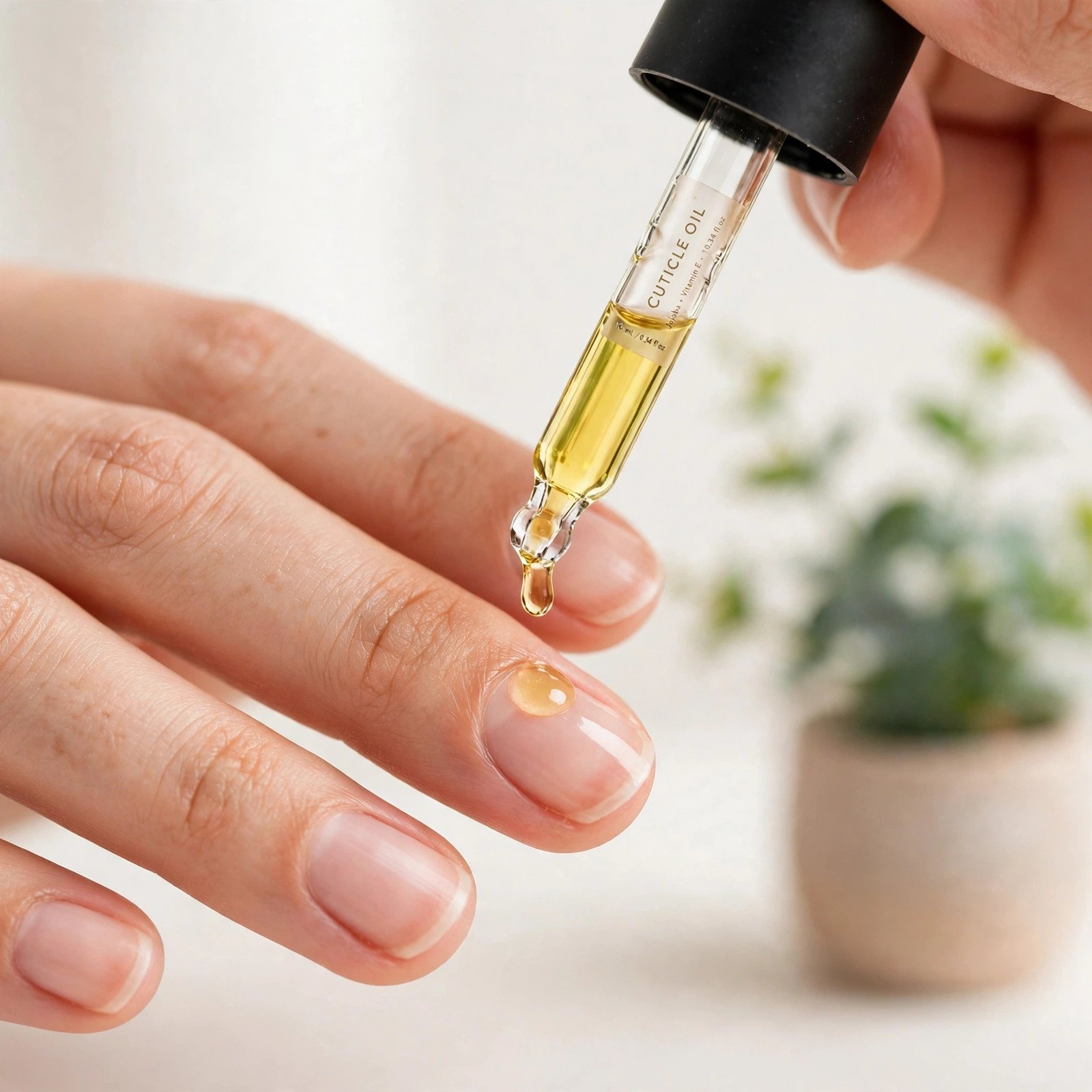
For the chronic track, the work is the habit loop. I noticed I pick at my cuticles when I am anxious, bored, or watching television, and the picking is unconscious — I do not decide to do it, I find my hands doing it. What broke the loop for me was keeping cuticle oil on my desk and in my bag, and applying it every time I caught myself picking. The oil does two things: it moisturises the cuticle, and it gives my hands something to do that is not picking. I also keep my nails short when I am trying to break the habit, because short nails are harder to pick with, and I keep a nail file in my bag so that a rough edge gets filed instead of torn. It took about three weeks for the picking to stop, and the hangnails stopped about a week after that, which tells you how long the skin takes to recover once you stop injuring it.
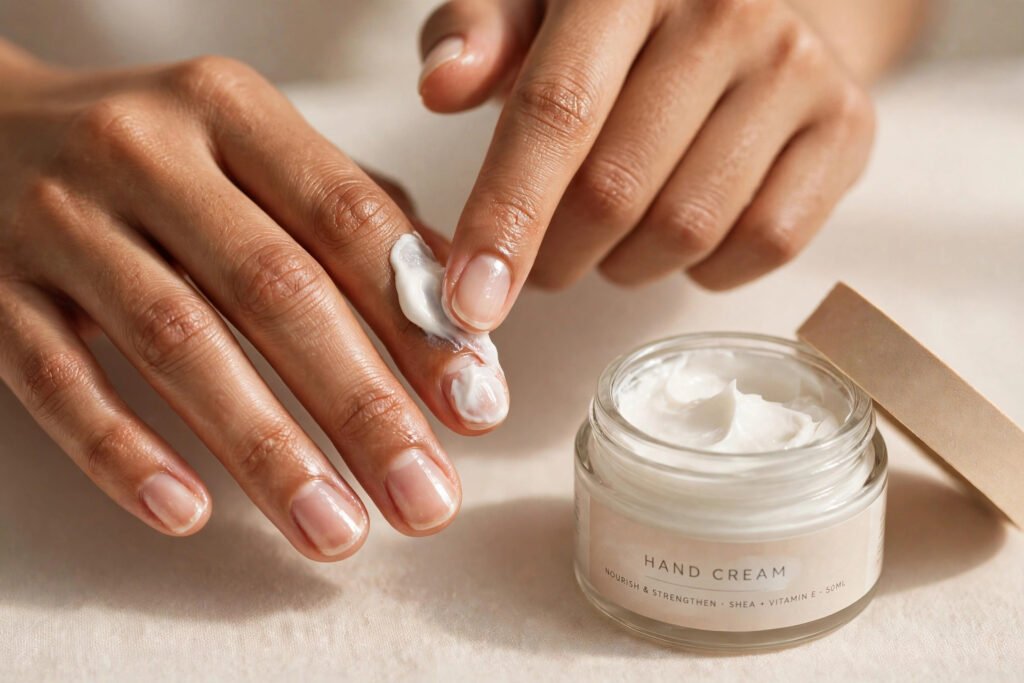
For the seasonal track, the work is moisture, and it is simpler. A thick hand cream or cuticle oil applied after every hand wash makes a significant difference within a week or two — look for products with shea butter, glycerin, or petroleum jelly, which form a barrier that slows moisture loss. Nighttime is especially effective: apply a heavy moisturiser to your hands before bed, and the skin has hours to absorb it without being washed off. I use a thick cream at night and a lighter cuticle oil during the day, and I wear gloves for washing up, cleaning, and going outside in cold weather. That is the whole seasonal fix, and it works, and I wish it sounded more impressive than it is, because it is just moisturiser and gloves, and that is genuinely all it takes.
Hangnails and Manicures: What to Wear While They Heal
A hangnail and a manicure are not friends, and the question I get asked most is what to do with your nails while a hangnail heals. The honest answer is: keep it simple, keep it short, and keep it gentle. A hangnail means the skin around your nail is broken, and any enhancement that needs filing, soaking, or a tight seal will irritate it. Gel polish is the worst choice during healing, because the prep involves pushing back the cuticle and the removal involves acetone, and both will sting and slow healing. BIAB is worse, because it is thicker and needs more filing. Press-ons on adhesive tabs are the best choice during healing, because they sit on top of the nail, they need no filing or soaking, and they come off without any damage — you get polished nails while the skin recovers underneath.
I wear press-ons on tabs when I have a hangnail, and I keep my natural nails short and bare the rest of the time, with cuticle oil twice a day. I do not get a manicure until the hangnail has fully healed, which is usually three to five days, and I tell my nail tech about it when I do go back, so she knows to be gentle around that finger. If you have a hangnail and a big event coming up, tabs are the answer — they look polished, they come off cleanly, and they do not interfere with healing. And if you are deciding between gel and press-ons in general, my gel polish vs press-on nails comparison covers the full trade-off, including the recovery routine I use between gel sets.
My 2–4 Week Hangnail Recovery Plan
Week one is the rescue week. Cuticle oil after every hand wash, a thick hand cream before bed, gloves for washing up and cleaning, and no picking — oil instead of picking, every time you catch yourself. Trim any existing hangnails safely, using the steps above, and do not cut your cuticles. By the end of week one, the skin should feel softer and the new hangnails should have stopped forming, although the old ones will still be healing.
Week two is the repair week. Keep the same routine, and add a weekly warm soak — ten minutes in warm water with a drop of oil, then a gentle push-back of the cuticles with a wooden stick, then oil again. The soak softens the cuticle and the push-back keeps it from lifting and tearing, and the oil seals in the moisture. By the end of week two, the cuticles should look smooth and the skin around your nails should feel like skin again, not sandpaper.
Weeks three and four are the maintenance weeks, and they are the ones that decide whether the hangnails come back. Keep the oil by the sink and use it after every wash. Keep the gloves by the sink and use them for washing up. Keep the thick cream by the bed and use it every night. And keep watching for the picking — it comes back when you are stressed, and the oil is still the answer. After four weeks, your cuticles should be smooth, your hangnails should be gone, and the routine should be automatic enough that you do not have to think about it. That is the goal: not a one-time fix, but a routine that makes hangnails rare instead of constant.
Fino Tip: put a bottle of cuticle oil next to every sink in your house — bathroom, kitchen, anywhere you wash your hands. The reason most people do not moisturise after washing is that the oil is in the bedroom and the sink is in the bathroom. Make it easy, and you will actually do it. I have three bottles now, and my hangnails are the rarest they have ever been.
Mistakes to Avoid With Hangnails
The first mistake is ripping or biting a hangnail off. I have done it, and I have turned a tiny flap of skin into a swollen, infected finger that hurt for a week. Clip it, do not tear it. The second mistake is cutting your cuticles, which removes the seal that protects the nail and creates the ragged edge where hangnails form. Push back, never cut. The third mistake is moisturising only at night: if you wash your hands ten times a day and moisturise once, you are losing the battle, and the cuticle never recovers. Moisturise after every wash. The fourth mistake is cleaning without gloves, which strips the protective oil layer and dries out the cuticle faster than any moisturiser can replace it. And the fifth mistake is ignoring the habit: if you pick at your cuticles when you are anxious or bored, no amount of oil will help until you break the loop, and the oil is the tool for breaking it, not just for moisturising. If your nails themselves are also thin and weak, my thin and bendable nails guide covers the recovery plan for the nail plate, which is the other half of the same problem.
FAQ
Why do I keep getting hangnails? Frequent hangnails are almost always a sign that the skin around your nails is too dry. The cuticle dries out, becomes brittle, and separates from the surrounding skin. The most common causes are dry skin, frequent handwashing, hand sanitiser, harsh soaps, cold dry weather, picking or biting at your cuticles, and cutting your cuticles instead of pushing them back. If you get them constantly, something in your daily routine is stripping moisture faster than your skin can replace it.
How do I stop hangnails from coming back? Keep the cuticles moisturised and protect your hands from the things that dry them out. Apply a thick hand cream or cuticle oil after every hand wash, use a heavy moisturiser before bed, wear gloves for washing up and cleaning, and stop cutting your cuticles — push them back instead. If you pick at your cuticles, use cuticle oil every time you catch yourself picking, which gives your hands something to do that is not tearing at the skin.
Is it bad to bite off a hangnail? Yes — biting or tearing a hangnail pulls the skin below the surface, creating a deeper wound that takes longer to heal and is more likely to get infected. The safe way is to wash your hands, soak the finger in warm water for a few minutes, trim the hangnail at its base with clean, sharp clippers, and apply moisturiser or antibiotic ointment afterwards.
When should I see a doctor for a hangnail? See a doctor if the area becomes red, swollen, warm, or filled with pus, or if the pain gets worse instead of better after a day or two — that can be an infection called acute paronychia. See a doctor sooner if you have diabetes, because diabetes increases infection risk and complicates healing. A hangnail usually does not need a doctor, but an infected one does.
Can I get a manicure with a hangnail? It is better to wait until the hangnail has healed, which is usually three to five days, because gel prep and acetone removal will irritate the broken skin. If you need polished nails for an event, press-ons on adhesive tabs are the safest option — they sit on top of the nail, need no filing or soaking, and come off without any damage.
How long does it take for hangnails to stop? With a proper moisture routine — cuticle oil after every wash, thick cream at night, gloves for cleaning — new hangnails usually stop forming within one to two weeks, and the skin around your nails feels smooth again within three to four weeks. If picking is part of the cause, allow three weeks to break the habit, because the skin cannot recover while you keep injuring it.


